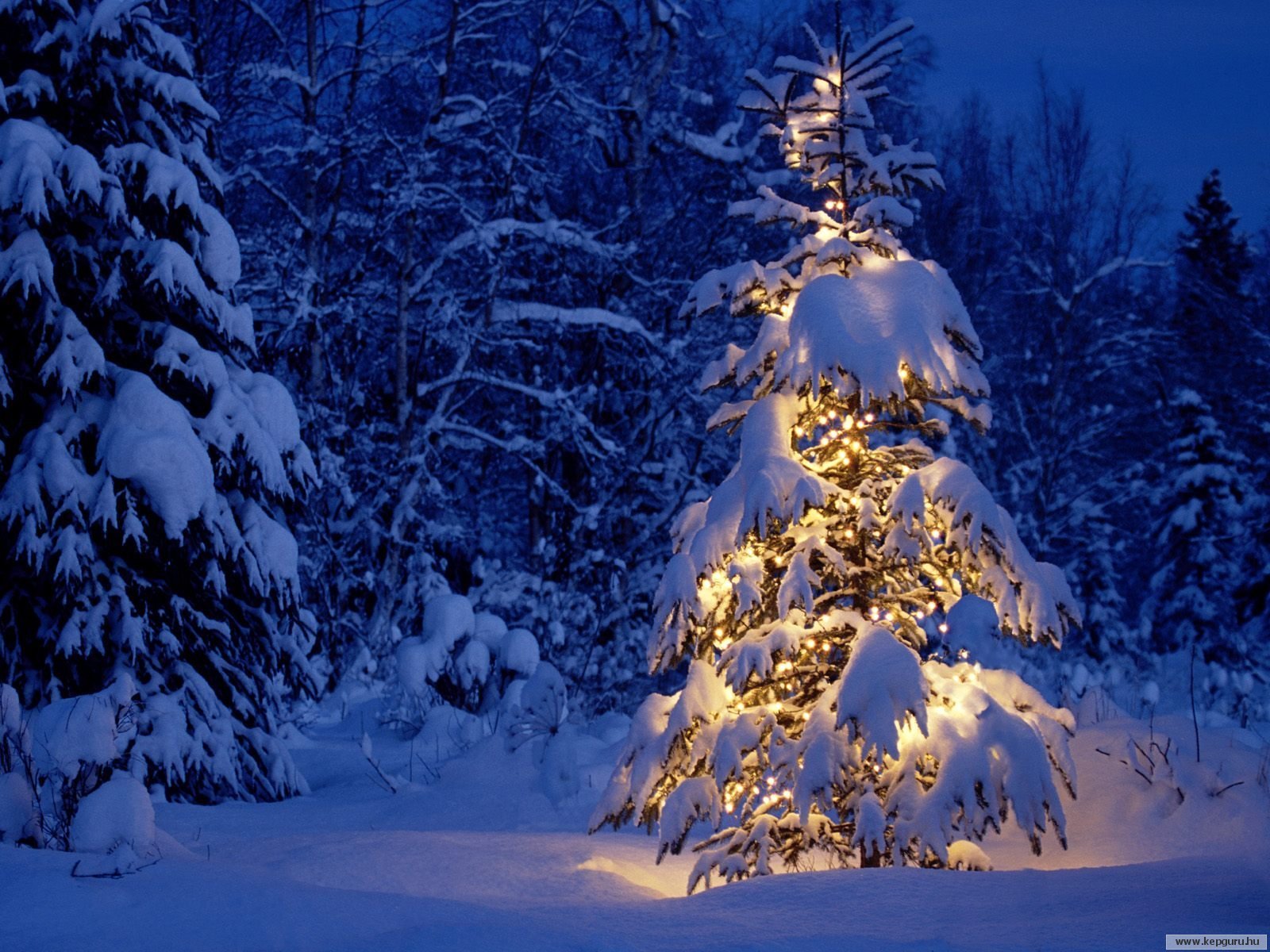
The evening of December 24th, 2025, in England represents a pivotal moment in the annual festive calendar, a period steeped in a rich tapestry of historical traditions and contemporary practices. It is a time when the nation collectively shifts from the bustling preparations of the preceding weeks to a more reflective and anticipatory state, poised on the brink of Christmas Day. This specific evening is not merely a date on the calendar; it is a cultural phenomenon, a significant economic driver, and a deeply personal experience for millions across the country. Understanding the multifaceted nature of this occasion requires an exploration of its historical roots, its modern manifestations, and its broader societal implications.
Historically, the observance of the evening of December 24th in England traces its origins back centuries, long before the modern concept of Christmas became firmly established. Ancient pagan winter solstice celebrations, marking the shortest day and the return of longer daylight hours, laid a foundational layer of festive observance. With the advent and spread of Christianity, these existing traditions were gradually assimilated and reinterpreted. The night preceding Christmas Day became known as a vigil, a period of spiritual preparation and fasting leading up to the celebration of the Nativity. Midnight Mass, a solemn and significant church service, emerged as a central feature of this vigil, symbolising the birth of Christ at the stroke of midnight.
The Victorian era played a crucial role in shaping many of the customs now synonymous with the festive period. The popularisation of Christmas trees, carol singing, and the concept of Santa Claus (or Father Christmas) as a bringer of gifts during the night of December 24th significantly transformed the nature of the celebrations. These influences, combined with the established religious observances, forged the unique blend of sacred and secular traditions that characterise the nation’s experience on this date. The build-up to Christmas Day became increasingly focused on family gatherings, the exchange of gifts, and the creation of a magical atmosphere, particularly for children.
In the contemporary landscape, the night of December 24th, 2025, in England will be a vibrant mosaic of activity and anticipation. For many households, it signifies the culmination of weeks of planning and preparation. Families typically gather, often for a relaxed evening meal, distinct from the grand feast planned for the following day. Culinary traditions on this specific evening are generally lighter, featuring items such as festive sandwiches, light suppers, or traditional snacks like mince pies and mulled wine. The air is often filled with the sounds of Christmas carols, either played on stereos or sung by family members.
A central focus for families with children is the ritualistic preparation for Santa Claus’s arrival. Stockings are hung by the fireplace or at the foot of beds, often accompanied by a plate of mince pies and a glass of milk for Santa, and a carrot for his reindeer. The excitement and wonder generated by these traditions are palpable, contributing significantly to the magical atmosphere of the occasion. For adults, the evening often involves the final wrapping of presents, ensuring everything is ready for the morning’s unveiling.
Beyond the domestic sphere, communities across the nation engage in various public observances. Carol services, often held in local churches or community halls, provide an opportunity for collective singing and reflection. Pubs and restaurants experience a surge in custom as friends and colleagues gather for final festive drinks before the main event. Midnight Mass remains a deeply cherished tradition for many, offering a quiet, spiritual interlude amidst the festive excitement. Churches are often adorned with lights and decorations, creating a serene and uplifting environment for worshippers.
The economic implications of the period leading up to and including the night of December 24th are substantial. It represents the peak of the retail season, with consumers making last-minute purchases of gifts, food, and decorations. Supermarkets, high street shops, and online retailers experience immense pressure to meet demand. This final surge in consumer spending provides a significant boost to the economy, supporting numerous industries from logistics and transport to food production and entertainment. The service sector, including hospitality and leisure, also benefits from increased patronage as people celebrate and socialise.
Logistically, the evening presents unique challenges and adjustments. Public transport services often operate on reduced schedules or conclude earlier than usual, reflecting the shift from a typical working day to a holiday period. Roads can experience increased traffic as individuals travel to family gatherings or complete final errands. Essential services, however, remain operational, ensuring public safety and welfare. The collective effort involved in managing these logistical aspects underscores the importance of this specific date in the national calendar.
The societal and cultural significance of the night of December 24th extends beyond mere celebration. It fosters a profound sense of community and togetherness. Neighbourhoods often light up with festive decorations, creating a warm and inviting atmosphere. Charitable organisations frequently see an increase in donations and volunteer activity during this period, as individuals reflect on giving back and supporting those less fortunate. This spirit of generosity and goodwill is a hallmark of the festive season.
Psychologically, the build-up of excitement and anticipation on this specific evening is unique. It is a time for reflection on the year past, for strengthening family bonds, and for looking forward to the joys of Christmas Day. For many, it offers a rare opportunity to slow down, connect with loved ones, and immerse themselves in the spirit of the season. While deeply rooted in Christian tradition, the secular aspects of the occasion are widely embraced, allowing individuals of diverse backgrounds to participate in and enjoy the festive atmosphere. The nation’s observance of this date thus serves as a powerful unifying force, bringing people together in shared celebration and anticipation.
FAQs by Christmas Eve 2025 England
Q1: What are the primary activities observed on the evening of December 24th?
A1: The primary activities typically include family gatherings, enjoying festive meals, the final wrapping of gifts, carol singing, and for families with children, preparing for Santa Claus’s arrival. Many also attend church services, particularly Midnight Mass.
Q2: Is the evening of December 24th a public holiday?
A2: No, the evening of December 24th is not a public holiday. However, many businesses and workplaces may close earlier than usual, and some individuals may take annual leave to extend their festive break.
Q3: Are public transport services affected on the evening of December 24th?
A3: Yes, public transport services, including trains, buses, and tubes, typically operate on reduced schedules and often conclude services earlier than on a standard weekday. Travellers are advised to check specific timetables in advance.
Q4: What is the significance of Midnight Mass?
A4: Midnight Mass is a traditional Christian church service held at midnight on the night of December 24th. It commemorates the birth of Jesus Christ and is a deeply spiritual and symbolic event for many worshippers, marking the official beginning of Christmas Day.
Q5: Will shops be open on the evening of December 24th?
A5: Most shops, particularly supermarkets and retail stores, will be open for a significant portion of the day on December 24th for last-minute shopping. However, they typically close earlier than usual, often by late afternoon or early evening.
Tips by Christmas Eve 2025 England
Effective planning is crucial for navigating the evening of December 24th smoothly. Early completion of gift shopping and grocery purchases can alleviate stress and allow for greater enjoyment of the festive atmosphere. Booking reservations for popular restaurants or events well in advance is advisable, as demand for such venues is exceptionally high. Prioritising rest amidst the festive preparations ensures individuals are well-prepared for the main Christmas Day celebrations. Consideration of charitable contributions or volunteer efforts during this period can enhance the spirit of giving. Finally, ensuring home security measures are in place, particularly if travelling or hosting large gatherings, provides peace of mind.
Conclusion by Christmas Eve 2025 England
The evening of December 24th, 2025, in England stands as a multifaceted and deeply significant occasion. It embodies a unique blend of historical reverence, cherished family traditions, and vibrant community engagement. As the nation prepares for Christmas Day, this specific evening serves as a critical bridge, allowing for both quiet reflection and joyful anticipation. Its economic impact, cultural resonance, and profound personal meaning underscore its enduring importance in the national calendar. The collective experience on this date reinforces community bonds and provides a poignant prelude to one of the most widely celebrated days of the year.