The observance of Christmas Eve in France is a profound cultural and familial event, deeply rooted in centuries of tradition and evolving societal norms. Far from being merely a prelude to Christmas Day, this evening holds its own distinct significance, characterized by specific culinary rituals, spiritual observances, and the anticipation of festive joy. For 2025, the core elements of this celebration are expected to remain steadfast, offering a window into the enduring cultural fabric of the nation.
The historical tapestry of French Christmas Eve celebrations is rich and multifaceted, weaving together ancient pagan customs, Roman traditions, and the pervasive influence of Christianity. Prior to the Christian era, the winter solstice was a period of significant observance, marking the return of light and the promise of new life. As Christianity spread, these existing festivities were gradually integrated, with the birth of Christ becoming the central focus. The evening of December 24th thus became a vigil, a time of preparation and spiritual reflection leading up to the Nativity. Over centuries, specific practices emerged, solidifying the unique character of the French celebration.
Central to the French observance is the Réveillon de Noël, an elaborate and extended dinner that typically begins late in the evening and can last well into the early hours of Christmas Day. The term “Réveillon” itself, derived from the verb “réveiller” (to wake up), signifies a long, festive meal consumed during the night, often after attending Midnight Mass. This culinary tradition is not merely about sustenance; it is a meticulously planned gastronomic experience, a testament to France’s culinary heritage, and a powerful symbol of family unity.
The menu for this special dinner is traditionally opulent, varying slightly by region but often featuring a consistent array of high-quality ingredients. Starters frequently include fresh oysters, a seasonal delicacy, or foie gras, a rich duck or goose liver pâté, often served with toasted brioche or fig jam. Seafood platters, featuring shrimp, crab, and other shellfish, are also common, reflecting the nation’s diverse culinary landscape. The main course typically involves poultry, with roasted capon or turkey being popular choices, sometimes stuffed with chestnuts or truffles. In coastal areas, fish dishes may take precedence. Accompaniments are usually seasonal vegetables and rich potato preparations.
The dessert course of the Réveillon is perhaps the most iconic: the Bûche de Noël, or Yule Log cake. This elaborate rolled sponge cake, often flavored with chocolate or coffee and decorated to resemble a log, is a direct descendant of the ancient tradition of burning a log on the winter solstice to bring good fortune. Its presence on the festive table is indispensable, marking the culmination of the grand meal. In some regions, particularly Provence, the “thirteen desserts” tradition is observed, symbolizing Christ and the twelve apostles. This diverse assortment can include dried fruits, nuts, nougat, pompe à l’huile (an olive oil brioche), and fresh fruits, offering a sweet and symbolic end to the feast.
Beyond the culinary delights, the spiritual dimension remains paramount for many French families. Midnight Mass (Messe de Minuit) is a deeply cherished tradition, particularly in rural areas and towns with historic churches. Congregations gather late on Christmas Eve to participate in a solemn and beautiful service, often featuring traditional carols (chants de Noël) and nativity scenes. The atmosphere inside these churches is one of reverence and community, with the flickering candlelight and ancient architecture adding to the profound sense of occasion. For those who attend, the Mass serves as a spiritual anchor, connecting them to centuries of faith and shared heritage. After the service, families often return home to continue the Réveillon, or children may open a few small gifts.
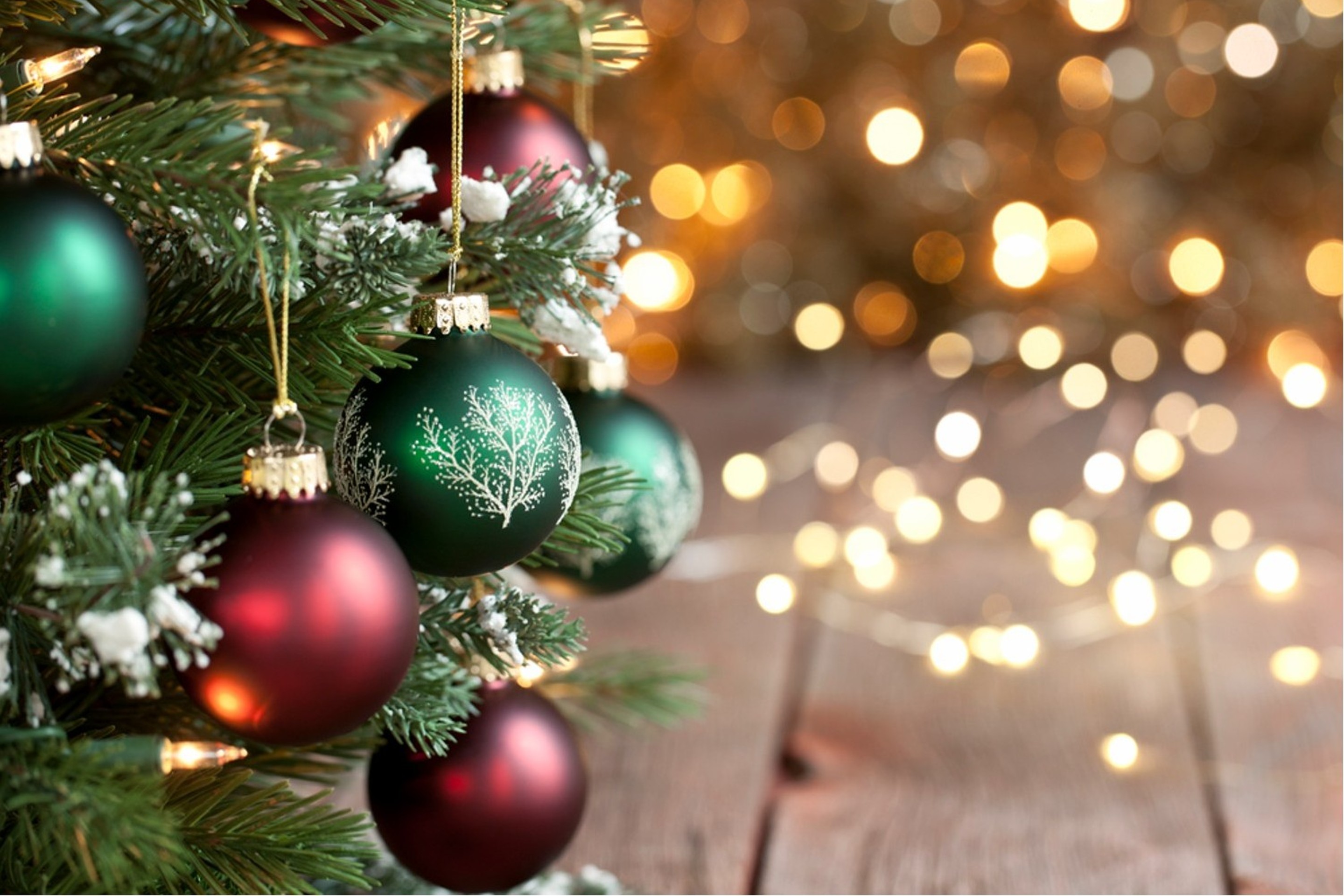
For children, the evening is charged with an almost palpable sense of anticipation. While gifts are primarily exchanged on Christmas morning, the preparations on Christmas Eve build excitement. Children typically place their shoes by the fireplace or under the Christmas tree, hoping that Père Noël (Father Christmas) will fill them with small presents and treats overnight. Stories of Père Noël and his reindeer, often depicted as a benevolent figure arriving in the quiet hours, are shared, fostering a magical atmosphere. The decorations, including Christmas trees adorned with lights and ornaments, nativity scenes (crèches), and festive garlands, contribute significantly to this enchanting ambiance, transforming homes and public spaces into winter wonderlands.
Regional variations add further richness to the French Christmas Eve experience. In Alsace, influenced by German traditions, Christmas markets are particularly vibrant in the weeks leading up to the celebration, and specific baked goods like bredeles (small Christmas cookies) are prevalent. In Brittany, maritime influences might see more emphasis on seafood. Each region, while adhering to the core tenets of the Réveillon and spiritual observance, infuses the evening with its unique local flavor and customs, reflecting the diverse cultural tapestry of France.
The importance of this evening extends beyond mere celebration; it plays a significant role in social cohesion and economic activity. The elaborate meals necessitate considerable planning and expenditure, providing a substantial boost to local markets, butchers, fishmongers, and patisseries. The focus on family gatherings reinforces intergenerational bonds and community ties, offering a crucial moment for reconnection in an increasingly fast-paced world. For 2025, these foundational aspects are expected to persist, with families continuing to prioritize this cherished time together, perhaps with minor adaptations to accommodate modern lifestyles or dietary preferences, but always with respect for the deep-seated traditions. The enduring appeal of the French Christmas Eve lies in its ability to blend culinary excellence, spiritual reflection, and familial warmth into a singular, unforgettable experience.
FAQs by Christmas Eve 2025 France
- What is the primary culinary tradition observed on this evening?
The central culinary tradition is the Réveillon de Noël, an extensive and elaborate multi-course dinner consumed late on the evening of December 24th, often extending into the early hours of Christmas Day. It typically features gourmet dishes such as oysters, foie gras, roasted poultry, and the iconic Bûche de Noël. - Is attendance at Midnight Mass a universal practice?
While Midnight Mass (Messe de Minuit) is a deeply rooted tradition, its attendance is not universal. It is primarily observed by religious families and individuals who wish to participate in the spiritual vigil leading up to Christmas Day. Many families, however, prioritize the Réveillon dinner as their main focus. - How do regional customs influence the celebrations?
Regional customs introduce variations in the specific dishes and practices observed. For instance, Provence is known for its “thirteen desserts,” while Alsace exhibits stronger German influences in its festive baking and market traditions. These regional nuances add diversity to the national celebration. - When are gifts typically exchanged?
Gifts are primarily exchanged on Christmas morning, December 25th, after Père Noël (Father Christmas) is believed to have visited overnight. However, some families may open a few small gifts immediately following Midnight Mass or after the Réveillon dinner on Christmas Eve.
Tips by Christmas Eve 2025 France
- Advance reservations for dining establishments are strongly advised if planning to celebrate the Réveillon outside a private residence, as demand is exceptionally high.
- Public transport schedules may be altered or reduced on this evening; verification of operating hours and routes is essential for travel planning.
- Local markets offer unique regional products for festive meals; early visits are recommended to secure desired ingredients.
- Participation in Midnight Mass requires timely arrival, especially at popular or historic churches, due to high attendance.
- Families with children should prepare for the anticipation of Père Noël‘s visit, as it is a significant element of the evening’s magic.
Conclusion by Christmas Eve 2025 France
The observance of Christmas Eve in France for 2025 represents a profound continuation of cultural heritage, blending culinary artistry, spiritual devotion, and deep-seated family values. The Réveillon de Noël stands as a testament to French gastronomy and conviviality, while Midnight Mass offers a moment of solemn reflection. The anticipation of Père Noël‘s arrival adds a layer of enchantment, particularly for younger generations. This evening, therefore, is not merely a date on the calendar but a cornerstone of national identity, reinforcing community bonds and preserving traditions that have shaped French society for centuries. Its enduring importance underscores a commitment to shared experiences and the celebration of life’s most cherished moments.