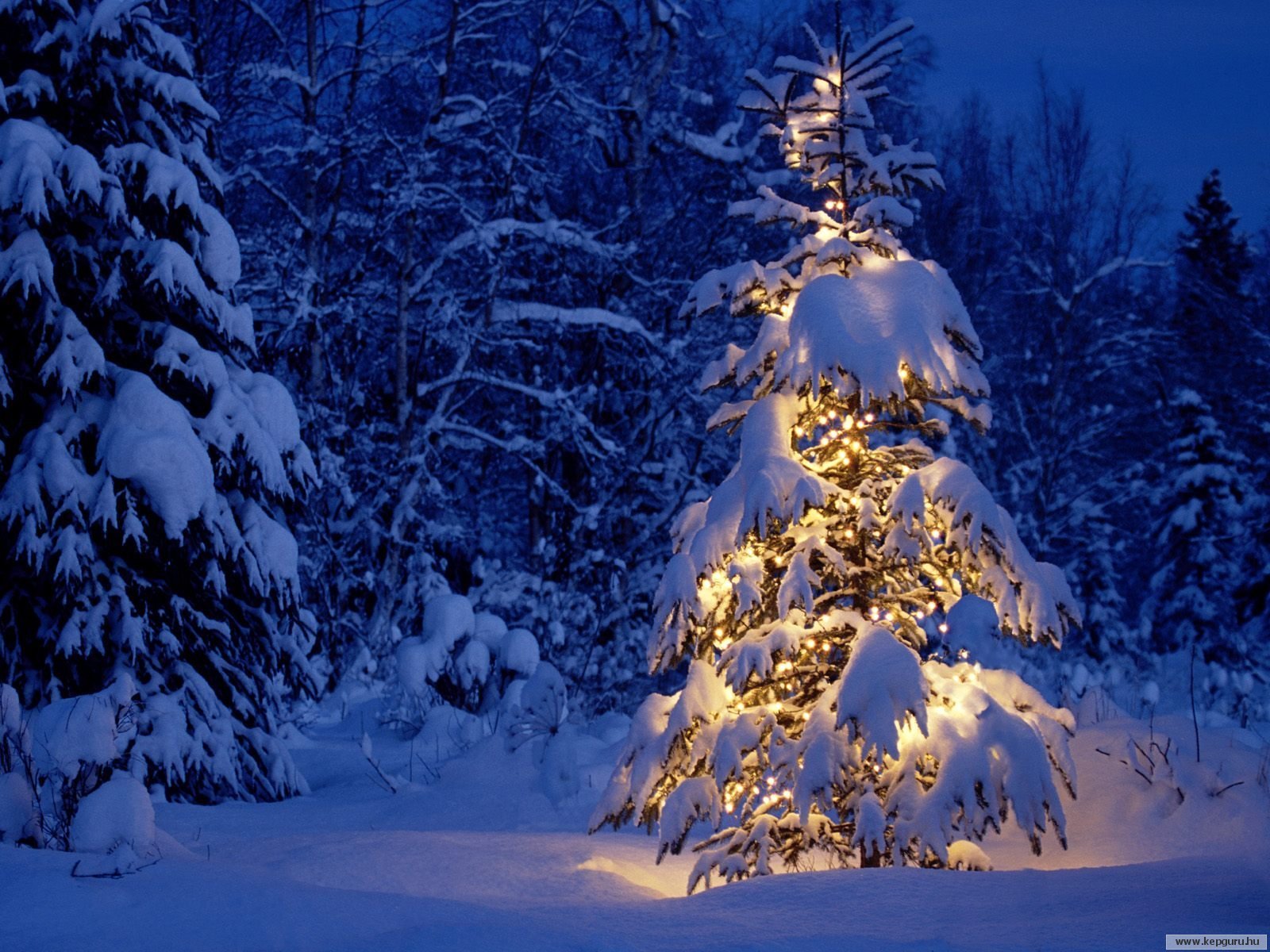
The observance of Christmas Eve 2025 Germany, known locally as Heiligabend (Holy Evening), represents the zenith of the festive season within the nation’s cultural calendar. Unlike many other Western countries where Christmas Day, December 25th, serves as the primary day of celebration, the German tradition places its emphasis firmly on the evening of December 24th. This deeply ingrained cultural practice shapes the entire holiday experience, transforming the day into a period of profound anticipation, intimate family gatherings, and the solemn observance of long-held customs. Understanding the nuances of this pivotal day provides a comprehensive insight into the societal fabric and enduring traditions that define the German approach to the Yuletide season.
The significance of the celebration on December 24th in Germany is rooted in historical and religious contexts. Traditionally, the Christian liturgical day begins at sunset, meaning the evening of December 24th is considered the beginning of Christmas Day itself. This theological foundation merged over centuries with ancient Germanic winter solstice customs, creating a unique blend of spiritual reflection and familial warmth. For the German populace, the afternoon and evening of this day are not merely a prelude but the main event, a time when families unite, gifts are exchanged, and traditional meals are savored. The streets often become remarkably quiet by late afternoon as individuals retreat into their homes, signaling the commencement of private family festivities.
Preparations for the annual event in Germany commence weeks in advance, building an atmosphere of joyous expectation. The Advent period, marked by the lighting of candles on an Advent wreath each Sunday leading up to Christmas, is a time for baking traditional cookies (Plätzchen), crafting decorations, and visiting the famed Christmas markets (Weihnachtsmärkte). These markets, with their twinkling lights, festive aromas of mulled wine (Glühwein), and handcrafted goods, serve as a communal gathering point, fostering a sense of togetherness and anticipation for the main celebration. By the time December 24th arrives, homes are typically adorned with elaborate decorations, most notably the Weihnachtsbaum (Christmas tree), which stands as the central symbol of the festivities. The tree is often decorated on the morning or early afternoon of this day, a cherished ritual performed by the family, sometimes in secret by parents to surprise their children.
The afternoon of the German Christmas Eve celebration is characterized by a quiet intensity. Many businesses close early, and public transport schedules become sparse as people make their final journeys home. The air is thick with anticipation, particularly for children. A common tradition involves attending a Christmas Eve church service (Christvesper), often held in the late afternoon or early evening. These services are well-attended, featuring carols, nativity plays, and sermons reflecting on the Christmas story. For many, this spiritual element is an indispensable part of the observance, providing a moment of reflection and gratitude before the secular festivities begin.
Following the church service, or sometimes preceding it, the family gathers for the Bescherung – the gift-giving ceremony. This is the heart of the celebration. Unlike traditions in some other countries where gifts are opened on Christmas morning, in Germany, they are exchanged on the evening of December 24th. The Weihnachtsbaum serves as the focal point, often illuminated by real candles or electric lights, casting a warm glow over the scene. Families gather around the tree, singing traditional Christmas carols such as “Stille Nacht, Heilige Nacht” (Silent Night, Holy Night), which originated in Austria but is deeply cherished in Germany. The reading of the Christmas story from the Bible is also a common practice, reinforcing the religious significance of the day. The moment of opening presents is filled with excitement and joy, marking the culmination of weeks of anticipation.
The traditional Christmas meal, Weihnachtsessen, is another cornerstone of the German Christmas Eve celebration. While regional variations exist, common dishes include Würstchen mit Kartoffelsalat (sausages with potato salad), a simple yet beloved meal that allows families to spend more time together rather than on elaborate cooking. In some regions, particularly in the south, Karpfen (carp) is a traditional main course, symbolizing good luck and prosperity. Roast goose or duck might also be served, though these are more commonly reserved for Christmas Day or the First and Second Christmas Days (December 25th and 26th), which are also public holidays in Germany. The meal is a time for convivial conversation, shared laughter, and strengthening family bonds.
The importance of this annual event in Germany extends beyond individual families. It shapes the national rhythm, influencing retail, travel, and social interactions. Businesses plan their operations around the intense pre-Christmas shopping period and the subsequent quiet days. Transportation networks experience peak demand as people travel to be with loved ones. The collective experience of preparing for and observing this day fosters a strong sense of community and shared cultural identity. Even in an increasingly globalized world, the core traditions of the German Christmas Eve celebration remain remarkably resilient, passed down through generations and adapted to modern life while retaining their essential character.
The benefits of this emphasis on December 24th are manifold. It allows for a concentrated period of family togetherness, as the main celebrations are completed on the evening of the 24th, leaving Christmas Day itself for more relaxed activities, visiting extended family, or quiet reflection. This structure provides a clear demarcation between the festive build-up and the actual celebration, allowing for a more focused and intentional observance. It reinforces the value of tradition and continuity, providing a comforting rhythm in a rapidly changing world. For children, the anticipation of gifts on Heiligabend creates a magical atmosphere, deeply etched into their memories. The quietness that descends upon towns and cities on this evening fosters a unique sense of peace and contemplation, a welcome respite from the usual hustle and bustle.
In essence, the observance on December 24th in Germany is a testament to the nation’s rich cultural heritage and its enduring commitment to family values. It is a day steeped in tradition, marked by rituals that connect generations and reinforce a shared sense of identity. The meticulous preparations, the solemn church services, the joyful gift-giving, and the communal meals all contribute to an experience that is both deeply personal and universally significant within the German context. As 2025 approaches, the nation will once again embrace these cherished customs, ensuring that the unique spirit of Heiligabend continues to thrive.
FAQs by Christmas Eve 2025 Germany
Q: What is the primary day of Christmas celebration in Germany?
A: The primary day of Christmas celebration in Germany is Christmas Eve, December 24th, known as Heiligabend. Gift-giving and the main family meal typically occur on this evening.
Q: Are businesses open on December 24th in Germany?
A: On December 24th, businesses in Germany, including shops, generally operate on reduced hours, closing early in the afternoon to allow employees to celebrate with their families. Public transport may also have limited services later in the day.
Q: What are common traditional foods served on this evening?
A: Common traditional foods served on this evening include Würstchen mit Kartoffelsalat (sausages with potato salad). In some regions, Karpfen (carp) is also a traditional dish. More elaborate meals like roast goose are often reserved for Christmas Day.
Q: Is attending church a common practice on this day?
A: Yes, attending a Christmas Eve church service (Christvesper) in the late afternoon or early evening is a common and important tradition for many families, often featuring carols and nativity plays.
Q: When are gifts exchanged during the German Christmas celebration?
A: Gifts are traditionally exchanged on the evening of December 24th, after the family gathers around the Christmas tree. This is known as Bescherung.
Tips by Christmas Eve 2025 Germany
Experiencing the unique character of the German Christmas Eve celebration requires an understanding of its distinct rhythms and traditions.
- Plan Travel Accordingly: Public transportation services will be significantly reduced or cease entirely by late afternoon on December 24th. Intercity trains and buses will be busy earlier in the day. Individuals planning travel should secure tickets well in advance and complete journeys before the early afternoon.
- Complete Shopping Early: Retail establishments will close early on December 24th, typically by midday or early afternoon. Any last-minute purchases should be completed before this time, as most shops will remain closed on December 25th and 26th.
- Respect the Quietness: The evening of December 24th is a deeply private and family-oriented time. Streets and public spaces become remarkably quiet. This atmosphere is integral to the celebration, reflecting a focus on intimate gatherings rather than public festivities.
- Embrace Local Traditions: If invited to a German home, observe and participate in the local customs. This may include singing carols, listening to the Christmas story, or assisting with preparations. An open and respectful approach enhances the experience.
- Consider Church Services: Attending a Christvesper can offer a profound insight into the spiritual dimension of the celebration. Services are often open to the public, and while primarily in German, the atmosphere and music transcend language barriers.
- Understand the Gift-Giving Schedule: The primary gift exchange occurs on the evening of December 24th. Individuals from cultures where gifts are opened on Christmas morning should adjust their expectations accordingly.
Conclusion by Christmas Eve 2025 Germany
The observance of Christmas Eve 2025 Germany stands as a testament to the enduring power of tradition and the profound importance of family within the nation’s cultural landscape. This day, Heiligabend, is not merely a precursor to Christmas Day but the very heart of the festive period, characterized by deep-rooted customs, intimate family gatherings, and a pervasive sense of peace and anticipation. The meticulous preparations, the solemnity of church services, the joy of gift-giving, and the warmth of shared meals collectively forge an experience that is both deeply personal and universally significant. As the nation approaches this annual celebration, the unique rhythms and cherished rituals will once again underscore the resilience of German heritage, ensuring that the spirit of togetherness and reflection continues to define this most special of evenings. The continued emphasis on December 24th reinforces a cultural identity that values tradition, community, and the quiet joy of shared moments, providing a comforting anchor in an ever-evolving world.