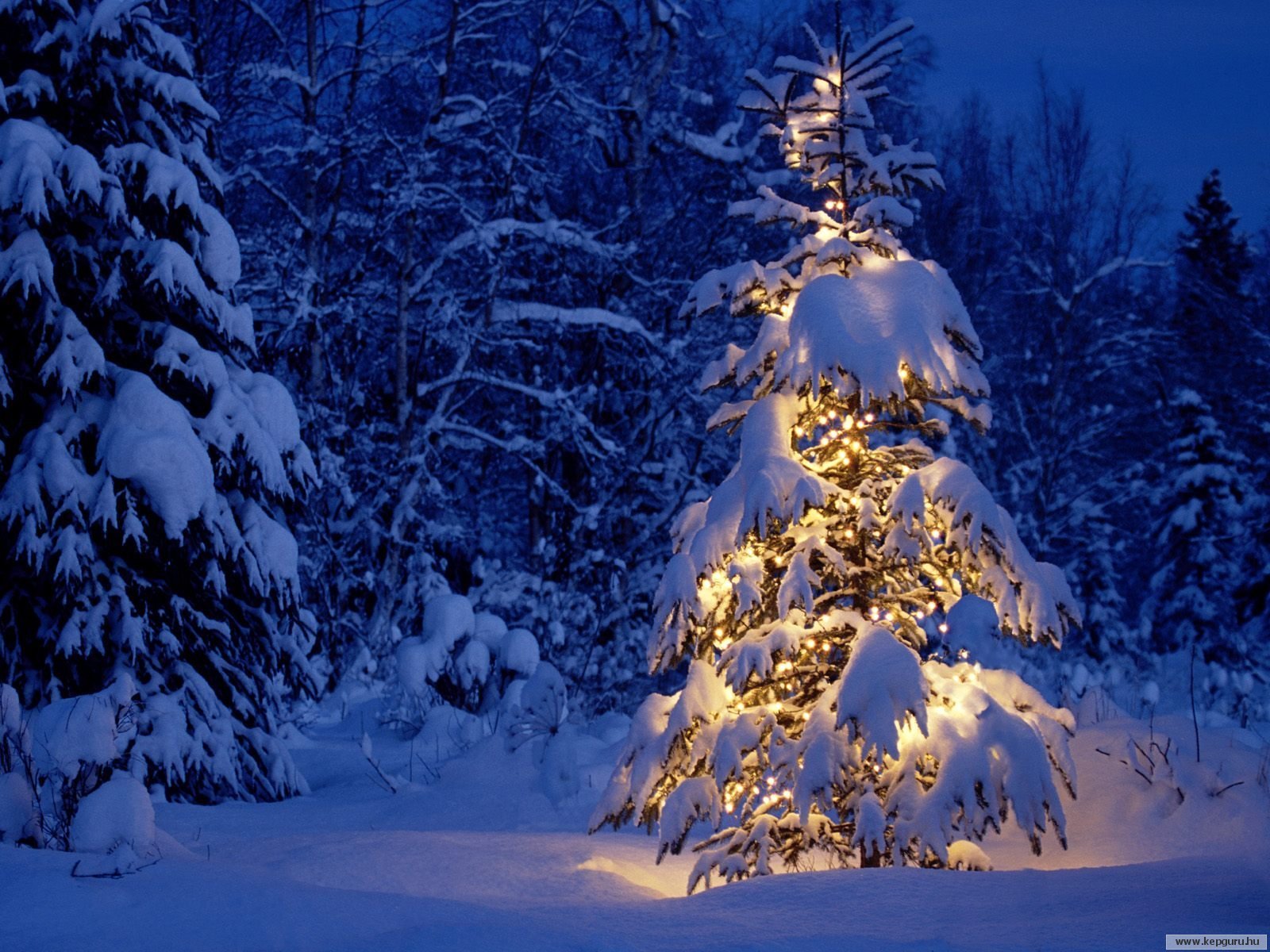
The observance of Christmas Eve 2025 Greece represents a profound cultural and religious milestone, deeply embedded within the fabric of the nation’s identity. This annual event, celebrated with a unique blend of ancient customs and Orthodox Christian traditions, transcends mere festivity, serving as a pivotal moment for family cohesion, spiritual reflection, and the perpetuation of time-honored practices. Understanding the nuances of this evening provides comprehensive insight into Greek society, its values, and its enduring heritage.
Historically, the roots of this celebration in Greece are intertwined with both pre-Christian winter solstice rituals and the subsequent adoption of Christianity. The Greek Orthodox Church, which adheres to the Julian calendar for certain ecclesiastical calculations but largely observes Christmas on December 25th (Gregorian calendar), places significant emphasis on the Nativity of Christ. The evening preceding this holy day is therefore marked by a period of anticipation and preparation, distinct from Western European or North American Christmas Eve traditions in its specific religious observances and social customs. The period leading up to the Nativity is characterized by a forty-day fast, known as the Sarakosti ton Christougennon, or Christmas Lent. While not as stringent as the Great Lent before Easter, it still influences culinary practices on the evening before Christmas, with many families opting for Lenten-compliant meals.
Religious observances form the bedrock of the evening. Churches across the nation prepare for the Divine Liturgy of Christmas Day. On the evening of December 24th, many Orthodox faithful attend Vespers, a solemn evening service that marks the transition from the fasting period to the celebration of Christ’s birth. The atmosphere within the churches is one of reverence and quiet expectation, often accompanied by the chanting of hymns that narrate the prophecy and fulfillment of the Nativity. For many, this spiritual preparation is paramount, setting the tone for the ensuing day of celebration. The architectural beauty and spiritual resonance of Greek Orthodox churches, from the grand cathedrals of Athens and Thessaloniki to the humble chapels nestled in island villages, provide a powerful backdrop for these sacred rituals. The iconography, illuminated by flickering candlelight, contributes to an immersive experience that connects the faithful to centuries of tradition.
Culinary traditions on this evening are dictated by the Lenten period preceding Christmas. While the fast technically concludes with the first star on Christmas Day, the meal prepared on the evening of December 24th is typically lighter and often vegetarian or pescatarian. Common dishes might include bakaliaros skordalia (fried cod with garlic dip), lahanodolmades (cabbage rolls, often prepared without meat for the fast), or various vegetable-based stews. The focus is less on opulent feasting and more on communal dining within the family unit, preparing for the more elaborate Christmas Day meal. The preparation of these dishes is often a multi-generational affair, with recipes passed down through families, reinforcing familial bonds and culinary heritage. The aroma of these traditional foods permeates homes, creating a distinctive festive ambiance.
Social and family gatherings are central to the observance. The evening is predominantly a family affair, with relatives often traveling considerable distances to be reunited in their ancestral homes. It is a time for intergenerational connection, storytelling, and shared anticipation. Children, in particular, are at the heart of the festivities. The tradition of Kalanda, or Christmas carols, is perhaps one of the most cherished aspects of the evening. Groups of children, often carrying small triangles or other musical instruments, visit homes in their neighborhoods, singing traditional carols that announce the impending birth of Christ. In return, they are typically offered small monetary gifts, sweets, or fruit. This custom not only brings joy to the community but also teaches younger generations about the importance of tradition and communal participation. The sounds of these carols echoing through city streets and village squares are an unmistakable sign of the season.
Regional variations, while subtle, add to the rich tapestry of the observance. In some island communities, maritime influences might be evident, with decorations or specific carols reflecting a connection to the sea. In mountainous regions, the emphasis might be on hearty, warming dishes and customs adapted to colder climates. Despite these minor differences, the core tenets of family, faith, and community remain universally strong across the Hellenic Republic. The diversity within unity underscores the robust nature of Greek cultural identity.
From an economic perspective, the period surrounding this event sees a noticeable surge in commercial activity. Local markets, bakeries, and specialty food stores experience increased demand as families prepare for festive meals. The tourism sector, while not as heavily impacted as during the summer months, still sees a moderate influx of visitors, particularly those seeking an authentic cultural experience or returning expatriates. Businesses catering to traditional goods, such as religious icons, festive decorations, and specific food items, benefit significantly from the increased consumer spending. The economic benefits, while perhaps not as globally significant as other periods, are vital for local economies and small businesses.
The importance of this annual observance extends beyond religious piety and social gatherings. It serves as a powerful mechanism for cultural preservation, ensuring that ancient customs and the Greek language, particularly through the carols, are passed down through generations. It reinforces social cohesion, bringing communities together in shared celebration and mutual support. Spiritually, it offers a moment for introspection, gratitude, and renewal of faith. The benefits are manifold: a strengthened family unit, a vibrant cultural identity, and a profound sense of belonging for individuals within their communities. The enduring nature of these traditions, even in a rapidly modernizing world, speaks to their deep resonance and intrinsic value.
FAQs by Christmas Eve 2025 Greece
What is the primary religious focus of the evening?
The primary religious focus is the anticipation and preparation for the Nativity of Christ, marked by specific church services such as Vespers and the conclusion of the Christmas fast. The evening is a solemn prelude to the celebration of Christ’s birth on December 25th.
Are businesses typically open on this day?
Most businesses, including shops and supermarkets, operate with reduced hours on December 24th, often closing earlier than usual to allow employees to return to their families. Essential services generally remain available, but planning for purchases in advance is advisable.
What are common culinary practices?
Culinary practices on this evening are influenced by the Christmas fast, which concludes on Christmas Day. Meals are typically Lenten-compliant, meaning they often exclude meat, dairy, and eggs. Common dishes include fried cod with garlic dip (bakaliaros skordalia), various vegetable dishes, and specific Lenten desserts.
Is public transportation affected?
Public transportation schedules may be altered on December 24th, with reduced frequency or earlier cessation of services, particularly in the late afternoon and evening. It is advisable to consult local public transport authorities for specific timetables and any potential disruptions.
How do children participate in the festivities?
Children play a significant role by participating in the Kalanda tradition. They visit homes, singing traditional Christmas carols, often accompanied by small instruments like triangles. In return, they receive small gifts, sweets, or money, contributing to the festive atmosphere and perpetuating a cherished custom.
Tips by Christmas Eve 2025 Greece
- Observe local customs respectfully: When engaging with local communities, demonstrate respect for the religious and cultural traditions. This includes appropriate attire for church visits and an understanding of the solemnity of the occasion.
- Plan travel and accommodations in advance: The period around Christmas is a popular time for domestic travel, with many Greeks returning to their hometowns. Securing transportation and lodging well in advance is crucial to avoid availability issues and higher prices.
- Be aware of potential fasting practices: If invited to a Greek home for a meal on this evening, be mindful that the family may be observing the Christmas fast. Offering to contribute Lenten-friendly dishes or inquiring about dietary restrictions demonstrates consideration.
- Engage with local communities: Participate in local traditions where appropriate, such as listening to Kalanda or visiting local markets. This engagement offers a deeper appreciation for the cultural significance of the event.
- Support local businesses: Patronize local shops, bakeries, and restaurants. This contributes to the local economy and provides an opportunity to experience authentic Greek products and hospitality during the festive season.
Conclusion by Christmas Eve 2025 Greece
The observance of Christmas Eve 2025 Greece stands as a testament to the nation’s enduring cultural and religious heritage. It is an evening steeped in tradition, where the sacred and the social intertwine to create a unique atmosphere of anticipation, reflection, and communal warmth. From the solemnity of church services to the joyful sounds of children’s carols, every aspect contributes to a profound sense of identity and belonging. The emphasis on family unity, the perpetuation of ancient customs, and the spiritual preparation for the Nativity underscore the deep significance of this annual event. It is a time when the past informs the present, ensuring that the rich tapestry of Greek traditions continues to be woven for future generations, fostering social cohesion and spiritual enrichment across the Hellenic landscape.