The observance of Christmas Eve 2025 in Germany, known as Heiligabend, represents the culmination of weeks of anticipation and preparation, holding a unique and central position within the nation’s festive calendar. Unlike many other cultures where Christmas Day itself is the primary focus of celebration and gift-giving, the evening of December 24th in Germany is the pivotal moment for families to gather, exchange presents, and partake in cherished rituals. This evening transcends mere holiday observance; it is a profound cultural cornerstone, embodying centuries of tradition, communal values, and a distinct approach to the festive season.
The roots of this significant evening stretch back through centuries, blending Christian doctrine with pre-Christian Germanic winter solstice customs. Historically, the winter solstice marked a time of introspection and gathering, celebrating the return of longer days. With the advent of Christianity, these existing traditions were gradually integrated, transforming the midwinter festival into a celebration of the birth of Christ. Over time, the focus shifted to the evening before Christmas Day, aligning with the liturgical tradition of celebrating major feasts from the evening before. This historical evolution has shaped the modern practices, imbuing them with a deep sense of continuity and cultural resonance.
Preparations for the festive evening commence well in advance, setting the stage for its profound significance. The Advent season, beginning four Sundays before December 24th, is a period of heightened anticipation. Advent calendars, with their daily small treats or images, count down the days, while Advent wreaths, adorned with four candles, symbolize the passage of time leading to the celebration. Christmas markets, ubiquitous across the country from late November, play a crucial role in building the festive atmosphere. These markets, with their artisan crafts, traditional foods, and mulled wine (Glühwein), serve as communal gathering points, fostering a sense of warmth and togetherness. Gift shopping, often a thoughtful and deliberate process, is typically completed before this evening, ensuring that all presents are ready for the Bescherung, the gift exchange. Culinary preparations are also paramount, with many families dedicating the day to preparing traditional dishes that will grace the evening meal.
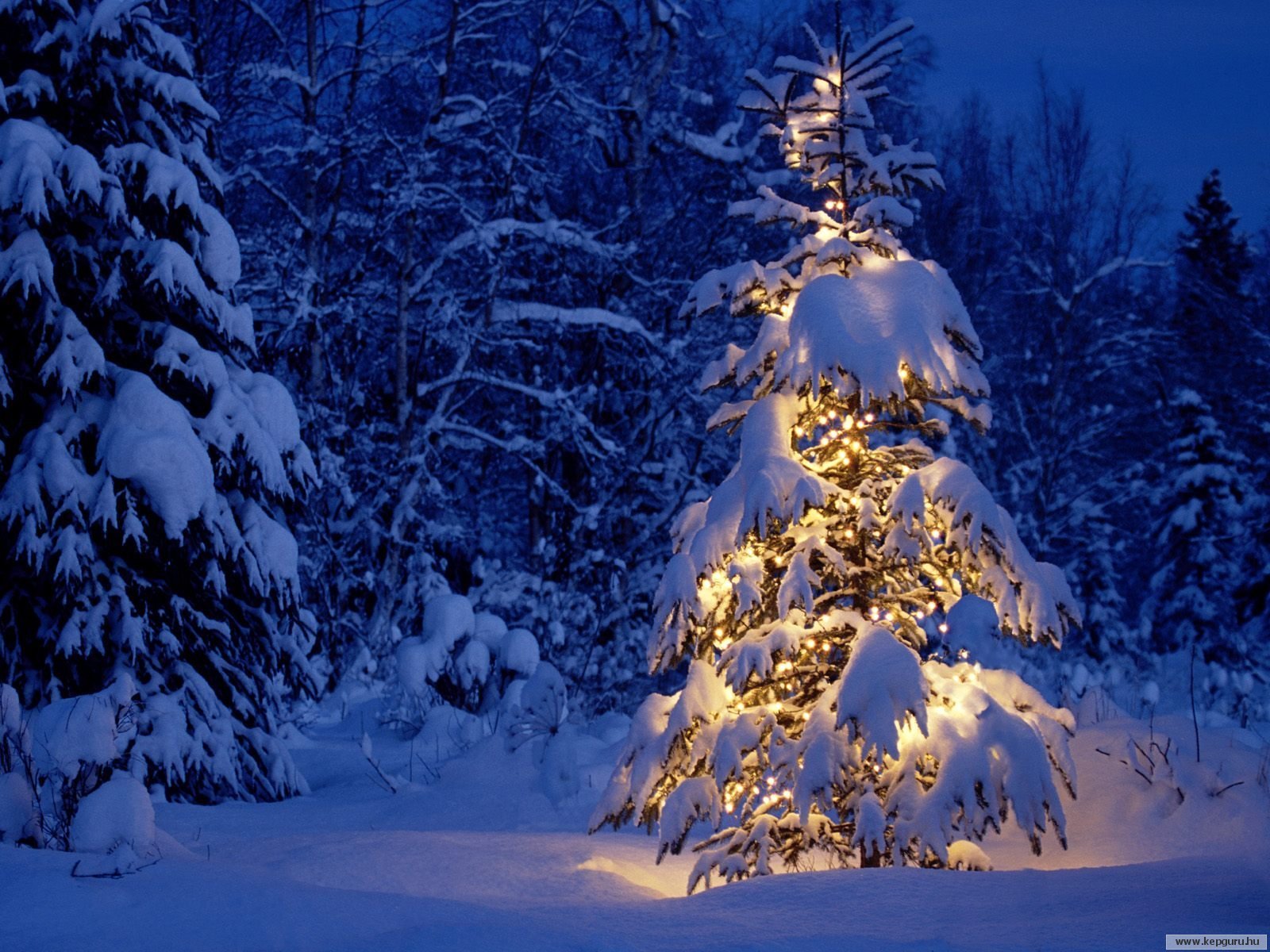
As December 24th unfolds, the atmosphere becomes increasingly charged with quiet excitement. The afternoon is often reserved for final preparations, including the decoration of the Christmas tree. Unlike practices in some other countries where trees are decorated weeks in advance, many German households adorn their trees on the very day, making it a fresh and special event. The tree, typically a real fir or spruce, is meticulously decorated with candles (increasingly electric for safety), baubles, tinsel, and often a star or angel at the top. The scent of pine needles fills the air, adding to the sensory experience of the season.
A significant element of the afternoon for many families is attendance at a church service, known as Christvesper. These services, held in the late afternoon or early evening, often feature nativity plays, carols, and sermons reflecting on the Christmas story. For many, it is a moment of quiet reflection and spiritual connection before the more boisterous family celebrations begin. The hymns sung during these services, particularly “Stille Nacht, Heilige Nacht” (Silent Night, Holy Night), resonate deeply, connecting generations through shared musical heritage.
Following the church service, or as the evening progresses, families gather for the traditional meal. The culinary traditions vary regionally and by family preference. Common dishes include Würstchen mit Kartoffelsalat (sausages with potato salad), a simple yet beloved meal that allows for more time to be spent on the main event. In other households, more elaborate fare such as roasted carp, duck, or goose may be served. The meal is a time for communal dining, conversation, and enjoying the festive ambiance created by the decorated tree and candlelight.
The climax of the evening is the Bescherung, the gift exchange. This event typically takes place after dinner, or sometimes immediately after the church service. Children, often brimming with anticipation, gather around the illuminated Christmas tree. In many traditions, the gifts are brought by the Christkind (Christ Child), a benevolent angelic figure, or by the Weihnachtsmann (Father Christmas/Santa Claus), particularly in northern and western regions. The sound of a bell often signals the arrival of the Christkind or Weihnachtsmann, or indicates that the gifts have magically appeared under the tree. Gifts are then distributed and opened, often accompanied by the singing of carols and the sharing of festive cheer. This moment, characterized by joy and gratitude, reinforces family bonds and creates lasting memories. The focus is not merely on the material gifts but on the act of giving and receiving, symbolizing affection and thoughtfulness.
Regional variations exist, adding to the rich tapestry of traditions. In some southern regions, particularly Bavaria, the Christkind is more prevalent as the gift-bringer, while in northern Germany, the Weihnachtsmann holds greater sway. The specific timing of meals and gift exchanges can also differ slightly from one household to another, but the core essence of family togetherness and celebration remains constant.
The economic impact of this festive period is substantial. The weeks leading up to December 24th witness a significant surge in retail activity, with consumers purchasing gifts, decorations, and festive foods. This annual boost is crucial for many businesses, contributing significantly to the national economy. Socially, the evening fosters immense cohesion. It is a time when families, often dispersed throughout the year, reunite. Travel patterns intensify as individuals journey to be with loved ones, highlighting the importance placed on familial connections. The collective experience of the celebration reinforces a sense of shared identity and cultural heritage.
In contemporary Germany, while some traditions adapt to modern lifestyles, the core values of the celebration endure. The emphasis on family, reflection, and the spirit of giving remains undiminished. Even as consumerism plays a role, the underlying cultural significance of the evening as a time for quiet joy, togetherness, and the reaffirmation of personal bonds continues to define its essence. This annual observance serves as a vital anchor in the cultural landscape, providing continuity and a cherished opportunity for communal celebration and personal reflection.
FAQs by Christmas Eve 2025 in Germany
- What is the primary difference in celebration compared to other countries?
The main distinction lies in the timing of the primary celebration and gift exchange. In Germany, the evening of December 24th, Heiligabend, is the central event for family gatherings and the opening of presents, whereas in many other countries, Christmas Day (December 25th) holds this prominence. - Are businesses typically open on this evening?
Most shops and businesses close early on December 24th, typically by midday or early afternoon, to allow employees to prepare for and celebrate the evening with their families. Public transport generally operates on a reduced schedule. - What are common traditional foods consumed?
Common traditional foods include Würstchen mit Kartoffelsalat (sausages with potato salad) for a simpler meal, or more elaborate dishes such as roasted carp, duck, or goose. Specific dishes can vary significantly by region and family tradition. - Who brings the gifts to children?
The gift-bringer varies by region. In southern Germany, the Christkind (Christ Child), an angelic figure, is often believed to bring gifts. In northern and western regions, the Weihnachtsmann (Father Christmas/Santa Claus) is more commonly associated with gift delivery. - Is church attendance common on this evening?
Yes, attending a Christvesper (Christmas Eve service) in the late afternoon or early evening is a common tradition for many families, offering a moment of spiritual reflection before the family celebrations commence.
Tips by Christmas Eve 2025 in Germany
- Plan travel arrangements in advance: Public transport schedules are reduced, and roads can be busy as individuals travel to family gatherings. Early booking of tickets or making arrangements for private transport is advisable.
- Complete shopping early: Retail establishments close early on December 24th. All necessary purchases, including groceries and last-minute gifts, should be completed well before midday to avoid inconvenience.
- Respect family traditions: When visiting German households, observe and respect the specific family traditions regarding the timing of meals, gift exchange, and any pre-dinner rituals. Participation, if invited, enhances the experience.
- Embrace the quiet atmosphere: The evening is often characterized by a more intimate and reflective atmosphere compared to the often bustling Christmas Day in other cultures. Appreciate the focus on family togetherness and quiet celebration.
- Familiarize oneself with common carols: Learning a few verses of popular German Christmas carols, such as “Stille Nacht,” can enhance participation in family sing-alongs or church services.
Conclusion by Christmas Eve 2025 in Germany
The observance of Christmas Eve 2025 in Germany stands as a testament to enduring cultural heritage and profound family values. It is an evening meticulously prepared for, deeply rooted in historical and spiritual traditions, and universally cherished as the pinnacle of the festive season. The emphasis on intimate family gatherings, the symbolic act of gift-giving, and the shared rituals surrounding the Christmas tree collectively forge a powerful sense of belonging and continuity. This specific evening serves not merely as a holiday but as a vital annual reaffirmation of communal bonds, personal reflection, and the enduring spirit of warmth and generosity that defines German festive culture. Its unique timing and distinct customs underscore its irreplaceable role in the national identity, offering a poignant and deeply meaningful experience for all who partake.