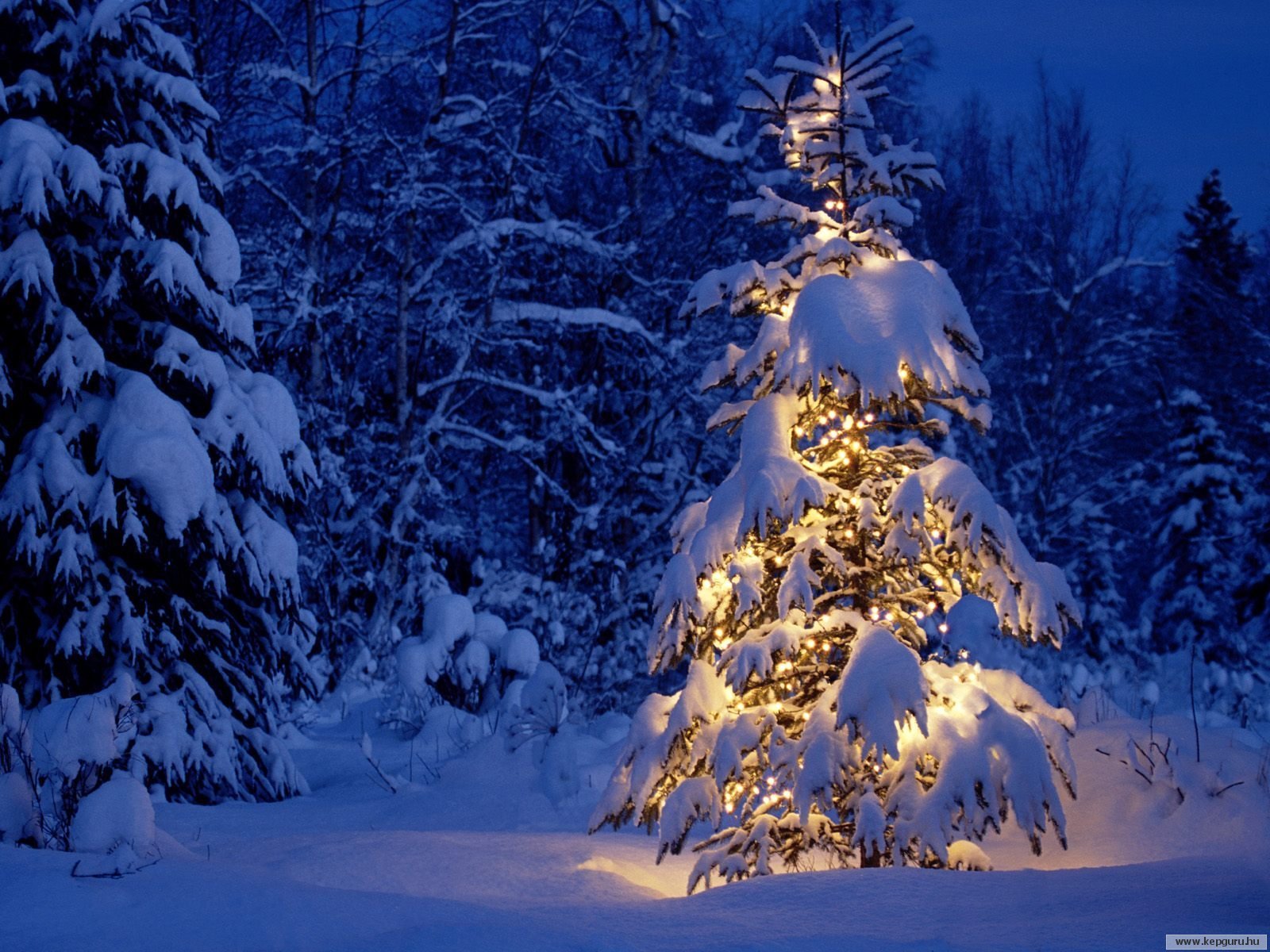
The anticipation of December 24, 2025, in Kenya marks a significant annual occasion, deeply woven into the nation’s social, cultural, and religious fabric. This specific date, commonly referred to as Christmas Eve 2025 Kenya, represents the culmination of Advent and the immediate prelude to Christmas Day, a period of profound spiritual reflection and vibrant communal celebration across the East African nation. Understanding the multifaceted nature of this observance requires an exploration of its historical roots, contemporary practices, and its broader impact on Kenyan society. The day is not merely a calendar entry; it embodies a rich tapestry of traditions, family gatherings, and a collective spirit of hope and renewal.
Kenya, a country with a predominantly Christian population, views the evening of December 24th with particular reverence. For many, it is a time for spiritual preparation, marked by church services that often extend into midnight, known as Midnight Mass. These services are characterized by carols, scriptural readings, and sermons focusing on the nativity story, fostering a sense of communal worship and spiritual readiness for the birth of Jesus Christ. Beyond the religious solemnity, the period is imbued with a distinct cultural vibrancy. Families, often dispersed throughout the year due to work or education, converge in their ancestral homes or gather in urban centers, transforming the day into a powerful symbol of reunion and kinship. This convergence often involves extensive travel, particularly from urban areas to rural “upcountry” residences, as individuals seek to celebrate with extended family networks. The economic ripple effect of this internal migration is substantial, impacting transport, retail, and hospitality sectors as consumer spending increases in anticipation of the festivities. The blend of traditional Kenyan customs with universal Christian practices creates a unique expression of the occasion, reflecting the nation’s diverse heritage.
Preparations for the observance of Christmas Eve 2025 Kenya typically commence weeks in advance, building a palpable sense of excitement and expectation. Households engage in extensive shopping for foodstuffs, new clothing, and gifts, ensuring that provisions are ample for the festive period. Markets and shopping centers become bustling hubs of activity, reflecting the heightened consumer demand. Homes and public spaces are adorned with decorations, including Christmas trees, lights, and nativity scenes, transforming the environment into a festive spectacle. Travel logistics become a primary concern for many, with bus and train stations experiencing peak demand as people embark on journeys to their hometowns.
On the evening itself, the atmosphere shifts from preparation to active celebration. A central element of the observance is the special dinner, a culinary highlight that brings families together around a shared meal. Traditional Kenyan dishes, often featuring roasted meats such as goat (mbuzi choma) or chicken, alongside staples like ugali, mukimo, pilau, and various stews, are meticulously prepared and enjoyed. These meals are not merely sustenance but a focal point for bonding, storytelling, and intergenerational connection. Following the evening meal, many families proceed to their local churches for the aforementioned vigil masses or caroling sessions. Children often participate in pageants re-enacting the nativity story, adding a layer of innocence and joy to the spiritual proceedings. The communal worship experience is paramount, reinforcing shared beliefs and fostering a sense of collective identity. Differences in celebration styles are noticeable between urban and rural areas; urban centers might exhibit more commercialized aspects, with larger public events and extensive retail promotions, while rural areas tend to emphasize more traditional, community-centric gatherings, often involving neighbors and extended kin in more intimate settings. Regardless of location, the underlying theme remains consistent: a time of anticipation, togetherness, and spiritual reflection.
The importance and benefits of this annual observance extend far beyond individual households. The period significantly contributes to social cohesion, acting as a powerful catalyst for family unity and community spirit. It provides a designated time for individuals to reconnect with their roots, strengthen familial bonds, and reinforce community ties that might otherwise weaken amidst the demands of modern life. Culturally, the day plays a vital role in the preservation and transmission of traditional values and practices. From the preparation of specific dishes to the telling of ancestral stories, the occasion serves as a living repository of cultural heritage, ensuring that customs are passed down through generations. Spiritually, it offers a profound moment for reflection, renewal, and the reaffirmation of faith, providing solace and guidance for many. Economically, the period stimulates various sectors, including retail, hospitality, and transport, generating significant revenue and employment opportunities. This economic boost is crucial for many businesses, particularly small and medium-sized enterprises. Furthermore, as a shared national experience, the observance contributes to a collective memory and national identity, reinforcing a sense of belonging and shared purpose among Kenyans from all walks of life.
FAQs by Christmas Eve 2025 Kenya
- What is the primary focus of the evening? The primary focus is a combination of religious observance, specifically the spiritual preparation for Christmas Day through church services like Midnight Mass, and robust family gatherings characterized by special meals and communal bonding.
- Are public services affected on this day? While not a public holiday itself, many businesses, particularly retail and corporate entities, may close early. Public transport services experience significantly increased demand and may operate on altered schedules to accommodate the surge in travel. Essential services generally remain operational.
- Is the day a public holiday in Kenya? No, December 24th is not a public holiday in Kenya. The public holiday is observed on December 25th, Christmas Day. However, the preceding evening is widely recognized and celebrated, leading to reduced activity in many sectors.
- What are some common traditions observed? Common traditions include attending Midnight Mass, preparing and sharing elaborate family meals, decorating homes, traveling to ancestral homes to reunite with extended family, and engaging in caroling or other festive community events.
- How does the observance impact travel within Kenya? The observance leads to a significant increase in inter-county travel, particularly from major urban centers to rural areas. This results in crowded public transport, potential traffic congestion on major routes, and increased demand for accommodation in certain regions.
Tips by Christmas Eve 2025 Kenya
- Plan travel in advance: Due to high demand for public transport and potential road congestion, securing travel tickets and making arrangements well ahead of the date is advisable to avoid last-minute complications and ensure timely arrival at destinations.
- Secure necessary provisions early: Anticipate increased demand and potential shortages for popular festive items. Purchasing food, beverages, and other essentials in the days leading up to the 24th can prevent inconvenience and ensure availability.
- Prioritize safety and security: During periods of heightened activity and travel, vigilance regarding personal belongings and surroundings is crucial. Adherence to safety guidelines, especially when traveling or attending large gatherings, is paramount.
- Engage with local communities respectfully: When visiting new areas or participating in community events, cultural sensitivity and respect for local customs and traditions are essential for a positive experience and harmonious interaction.
- Ensure financial planning: The festive period often involves increased expenditures on food, gifts, and travel. Prudent financial planning and budgeting are recommended to manage expenses effectively and avoid financial strain during and after the celebrations.
Conclusion by Christmas Eve 2025 Kenya
The observance of December 24, 2025, in Kenya represents a profound and multifaceted annual event. It stands as a testament to the nation’s deep-rooted spiritual convictions, vibrant cultural heritage, and unwavering commitment to family and community. This period of anticipation and celebration is integral to the Kenyan social calendar, fostering unity, preserving traditions, and providing a significant boost to the national economy. The enduring significance of the occasion underscores its role as a vital time for reflection, collective joy, and the strengthening of societal bonds across the diverse landscape of Kenya.