The anticipation of significant annual events often commences long before their arrival, with the passage of time becoming a focal point for planning and preparation. As of June 11, 2024, a precise calculation reveals that 561 days remain until Christmas Eve 2025. This specific duration represents a substantial period, offering ample opportunity for meticulous organization, thoughtful reflection, and the strategic alignment of resources to ensure the successful observance of this widely celebrated occasion. Understanding the exact number of days until this pivotal date allows for a structured approach to the myriad tasks and considerations that precede the festive season, transforming what might otherwise be a rushed period into one of calm, deliberate progress.
The calculation of this timeframe is straightforward, involving a careful accounting of the days remaining in the current year and those within the target year. From June 11, 2024, to the end of 2024, there are 203 days. This includes 19 days in June, 31 in July, 31 in August, 30 in September, 31 in October, 30 in November, and 31 in December. Following this, the entirety of 2025 must be considered until December 24. The year 2025 is not a leap year, so February comprises 28 days. Thus, from January 1, 2025, to December 24, 2025, there are 358 days. This includes 31 days in January, 28 in February, 31 in March, 30 in April, 31 in May, 30 in June, 31 in July, 31 in August, 30 in September, 31 in October, 30 in November, and 24 days in December. Summing these two segments—203 days from 2024 and 358 days from 2025—yields the total of 561 days. It is important to note that this figure is dynamic; it diminishes by one day with each passing 24-hour cycle, continuously bringing the festive eve closer. This ongoing reduction underscores the finite nature of the preparation window and highlights the importance of timely action. The progression of this countdown serves as a natural rhythm, guiding individuals and organizations through the preparatory phases required for a smooth and enjoyable holiday period.
The substantial duration leading up to the festive eve in 2025 presents a significant advantage for strategic planning. This extended timeframe allows for the meticulous arrangement of various aspects of the holiday, from financial budgeting to the acquisition of gifts and the coordination of travel. For many, the financial implications of the festive season are considerable. By acknowledging the precise period remaining, individuals and households can establish savings plans, allocate funds specifically for holiday expenditures, and potentially take advantage of early-bird discounts or sales that may arise throughout the year. This proactive financial management can significantly alleviate stress often associated with holiday spending, promoting a more relaxed and enjoyable experience.
Beyond financial considerations, the extended countdown facilitates comprehensive logistical planning. Gift procurement, for instance, can be spread out over many months, allowing for thoughtful selection, comparison shopping, and the avoidance of last-minute rushes. This approach often results in more meaningful gifts and better value. Similarly, for those planning to travel or host gatherings, the considerable time remaining provides an opportunity to secure favorable rates on flights and accommodation, particularly as demand for such services typically surges closer to the holiday. Venue bookings for parties or family reunions can also be confirmed well in advance, ensuring availability and allowing for detailed event coordination. The ability to plan travel routes, secure necessary permits, or arrange for pet care months ahead can transform a potentially chaotic period into one characterized by efficiency and order. Moreover, for businesses, this extended lead time is invaluable for supply chain management, inventory stocking, and the development of marketing campaigns tailored to the holiday shopping season. Effective utilization of this period can lead to optimized operations and enhanced customer satisfaction.
The psychological and cultural impact of this extended countdown is also noteworthy. Anticipation is a powerful human emotion, and the slow, deliberate approach of a highly anticipated event can contribute significantly to its overall enjoyment. The period leading up to the festive eve is often filled with a sense of growing excitement and shared community spirit. This build-up allows for the gradual embrace of holiday traditions, such as planning festive menus, decorating homes, or engaging in charitable activities. Culturally, the countdown reinforces the importance of the festive season as a time for connection, reflection, and celebration. It provides a structured timeline for the collective shift in focus towards generosity, goodwill, and family togetherness. The knowledge of the approaching date encourages individuals to prioritize these values and to prepare both materially and emotionally for their manifestation. This prolonged period of expectation can amplify the joy and significance of the actual celebration, making the entire experience more profound and memorable.
Leveraging the remaining time effectively involves more than just practical preparations; it also encompasses opportunities for personal growth and community engagement. The months leading up to the festive eve can be utilized for various enriching activities. Individuals might dedicate time to learning new skills that could enhance their holiday experience, such as baking, crafting, or a new language for international travel. It also provides a window for contributing to charitable causes or volunteering within communities, embodying the spirit of giving that is central to the season. Many organizations initiate their holiday charity drives well in advance, and participation during this preparatory phase can be highly impactful. Furthermore, the extended duration allows for a focus on well-being, ensuring that physical and mental health are prioritized before the potentially demanding holiday period. This might involve adopting healthier habits, managing stress proactively, or simply dedicating time to relaxation. By viewing the approaching date not merely as a deadline for tasks but as an opportunity for holistic preparation, the entire experience can be elevated, fostering a sense of fulfillment and readiness. The emphasis shifts from merely enduring the holidays to actively shaping them into a truly meaningful and joyous occasion.
FAQs
How is the exact number of days determined?
The precise number of days is calculated by counting the remaining days in the current year until December 31, and then adding the number of days from January 1 of the target year (2025) up to December 24 of that year. This method accounts for the exact passage of time.
Does the number of days change?
Yes, the number of days until the festive eve decreases by one unit with each passing 24-hour period. The figure provided is accurate for the specific date of calculation, and it will continue to reduce daily.
What is the significance of this specific date?
December 24, Christmas Eve, holds significant cultural and traditional importance as the evening preceding Christmas Day. It is a time for family gatherings, traditional meals, and the anticipation of the main holiday, often marked by specific customs globally.
Are there specific traditions associated with this countdown?
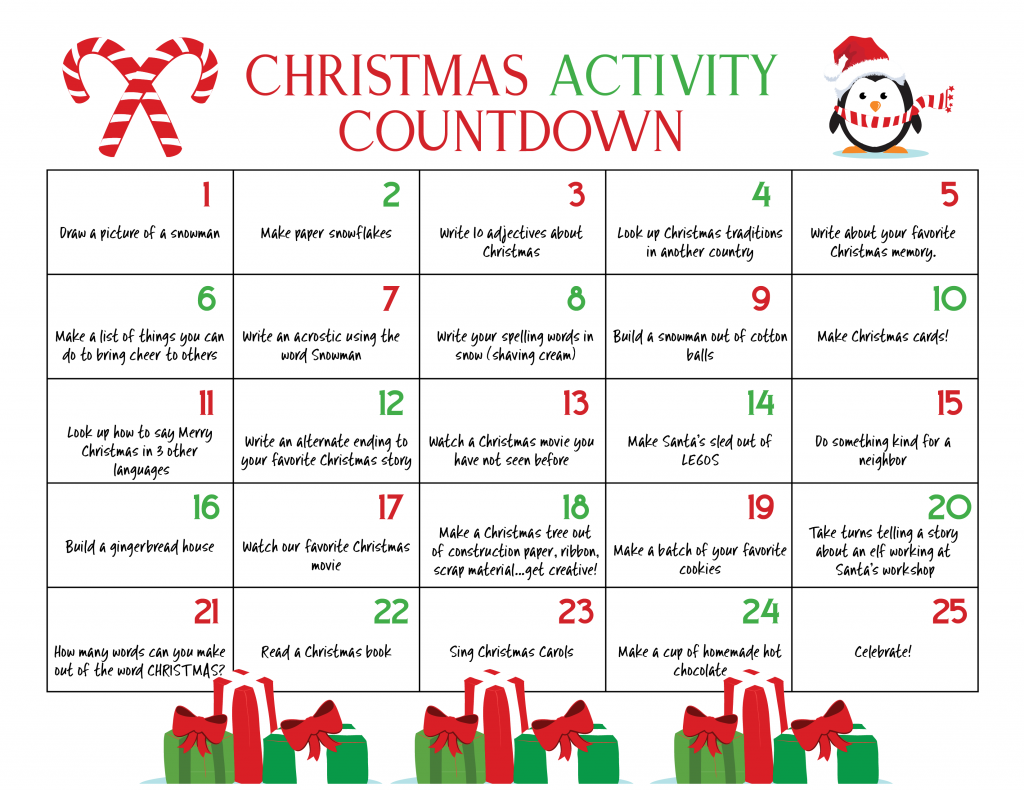
While not a universally standardized tradition, many cultures and individuals engage in various forms of countdown, such as Advent calendars, daily reflections, or progressive holiday preparations, to mark the approaching festive period. This build-up contributes to the overall holiday spirit.
How can one track this period accurately?
The period can be accurately tracked using standard calendars, digital calendar applications, or dedicated countdown timers available on various platforms. These tools provide a precise, real-time indication of the remaining duration.
Tips
- Establish a comprehensive timeline for all preparations, including gift purchases, travel bookings, and event planning, distributing tasks evenly across the available duration.
- Prioritize essential tasks to prevent last-minute rushes, focusing on items with long lead times such as international shipping or specialized orders.
- Allocate financial resources effectively, creating a detailed budget and setting aside funds incrementally to manage holiday expenditures without undue strain.
- Consider the environmental impact of preparations, opting for sustainable choices in gifts, decorations, and travel to align with responsible consumption practices.
- Focus on the spirit of the season beyond material aspects, dedicating time to charitable acts, community engagement, and fostering meaningful connections.
- Ensure all travel and accommodation arrangements are confirmed well in advance, especially for popular destinations, to secure preferred options and avoid price increases.
- Plan for any necessary dietary requirements or accessibility needs for gatherings, communicating with guests early to accommodate diverse preferences.
- Delegate tasks where appropriate to distribute the workload among family members or colleagues, promoting shared responsibility and reducing individual stress.
Conclusion
The period leading up to Christmas Eve 2025, currently spanning 561 days from June 11, 2024, represents a substantial window for preparation and anticipation. Acknowledging this duration allows for a methodical and stress-free approach to the myriad tasks associated with the festive season. From meticulous financial planning and logistical arrangements to embracing the psychological and cultural build-up, the effective utilization of this time can profoundly enhance the holiday experience. The ongoing reduction of this countdown serves as a gentle reminder of the approaching celebration, encouraging proactive engagement and thoughtful consideration. By embracing this extended preparatory phase, individuals and communities can ensure that the arrival of the festive eve is met with readiness, joy, and a true embodiment of the season’s spirit.